Driving in Snow and Ice in Massachusetts: Why the Right Auto Insurance Matters
Massachusetts winters bring black ice, snowbanks and falling limbs, and each one is covered by a different part of your auto policy, if it’s covered at all. Before the first storm, check that you have collision and comprehensive coverage, liability limits that fit your assets, and roadside and rental coverage. Here’s how winter accidents are usually covered and what to do if one happens.
What your auto policy covers in a winter accident
Every Massachusetts policy includes four required coverages, and the rest is optional (Massachusetts Division of Insurance). Here’s how common winter situations line up with them:
| Winter situation | Coverage that usually applies | Required or optional? |
|---|---|---|
| You slide on ice into another car, a guardrail or a snowbank and damage your own car | Collision | Optional |
| A tree limb or ice falls on your parked car | Comprehensive (falling objects) | Optional |
| You slide into someone else’s car or property | Damage to Someone Else’s Property | Required |
| Someone is hurt in a crash you cause | Bodily Injury to Others | Required |
| You or your passengers are hurt, no matter who caused it | Personal Injury Protection (PIP) | Required |
| An uninsured or hit-and-run driver hurts you | Bodily Injury Caused by Uninsured Auto | Required |
| Your car won’t start or ends up in a ditch | Towing and labor, or roadside assistance | Optional |
| Your car is in the shop after a covered claim | Substitute transportation (rental) | Optional |
The Division of Insurance describes collision as paying for damage from your car’s contact with another vehicle or object, no matter who caused the accident, and comprehensive as covering losses like falling objects, fire, theft and glass breakage not caused by a collision (source). If you only carry the required coverages, damage to your own car from sliding on ice usually isn’t covered. Not sure what you have? Our guide to comprehensive vs. full coverage insurance explains the difference.
Why liability limits matter more in winter
Icy roads make multi-car crashes more likely, and a crash can cost more than the state minimums. The Division of Insurance notes that people with more assets often choose higher liability limits, and that if you’re at fault and your limits are too low, your personal assets are at risk for the rest (Massachusetts Division of Insurance).
The required Massachusetts minimums are $25,000 per person and $50,000 per accident for bodily injury to others, and $30,000 for property damage. Optional bodily injury coverage can raise those limits, cover passengers in your car and cover accidents outside Massachusetts, which matters for winter trips to New Hampshire, Vermont or Maine (Massachusetts Division of Insurance).
Your winter insurance checklist
Before the first storm, the Division of Insurance recommends that you (source):
- Confirm your policy is active and your premium is paid.
- Review your liability limits against your assets.
- Check for roadside assistance, which can cover towing, fuel delivery, lockouts and jump-starts.
- Check rental coverage before you rent a car for a winter trip. If you have collision and comprehensive on your own car, you likely don’t need the rental counter’s collision damage waiver.
We can review all of this with you in one call. Use our policy change form to add collision, comprehensive, roadside or rental coverage before winter.
Get your car ready for snow and ice
Good preparation helps prevent claims in the first place. The Division of Insurance’s winter checklist includes (source):
- Replace streaky or cracked wiper blades, and use an ice scraper instead of wipers to clear ice
- Use the winter-grade oil your owner’s manual recommends
- Check coolant, brake, transmission, power steering and washer fluids
- Have an older or weak battery tested
- Get grinding or pulling brakes checked by a mechanic
- Make sure your tires have enough tread, or consider winter tires
- Pack an emergency kit: flashlight, flares or a reflective triangle, first aid supplies, blankets, water and a charged phone
What to do after a winter accident in Massachusetts
If you’re in an accident on snow or ice, the Division of Insurance recommends these steps (Massachusetts Division of Insurance):
- Call the police.
- Get the names, addresses, phone numbers and license numbers of everyone involved, plus any witnesses.
- Write down the time, date, location, road conditions, vehicles, insurance information, damage and injuries.
- Call your agent or insurance company as soon as possible with your policy number.
- Keep notes of every conversation about the claim, including names, dates and decisions.
- Ask whether you have rental coverage, and save receipts for rentals, towing and storage.
With our Claims Concierge, you call us, not an 800 number, and our team handles the claim with you. You can also file an auto claim online. Keep in mind that insurers report at-fault accidents to the Massachusetts Merit Rating Board, which can affect your premium (Massachusetts Division of Insurance).
Don’t forget your home this winter
Snow and ice damage homes too. Most standard homeowners policies cover damage from falling trees and the collapse of a structure under the weight of ice or snow. Frozen pipes may not be covered if the damage comes from negligence, such as not heating the house when you could, and flood damage isn’t covered by standard homeowners policies (Massachusetts Division of Insurance). Ask us about home and auto insurance together, or start with an overview of our home insurance in Fall River, MA options.
Frequently asked questions
Does car insurance cover sliding on ice in Massachusetts?
Damage to your own car from sliding on ice is usually covered by collision coverage, which is optional. Damage you cause to other people’s cars or property is covered by your required property damage and bodily injury coverage.
Does insurance cover a tree branch falling on my car during a storm?
Usually, if you have comprehensive coverage. Comprehensive covers falling objects and other damage not caused by a collision.
Is an accident on ice automatically not my fault?
Not necessarily. Fault depends on the facts of each accident, not just the road conditions. If you’re found at fault, the accident is reported to the Merit Rating Board and can affect your premium.
Do I need roadside assistance in winter?
It’s optional, but it can cover towing, jump-starts, lockouts and fuel delivery, which are common winter calls. Check whether your policy already includes it.
Should I raise my liability limits for winter?
Consider it if you have assets to protect. If you cause an accident and your limits are too low, your personal assets can be at risk for the rest.
Get winter-ready coverage before the next storm
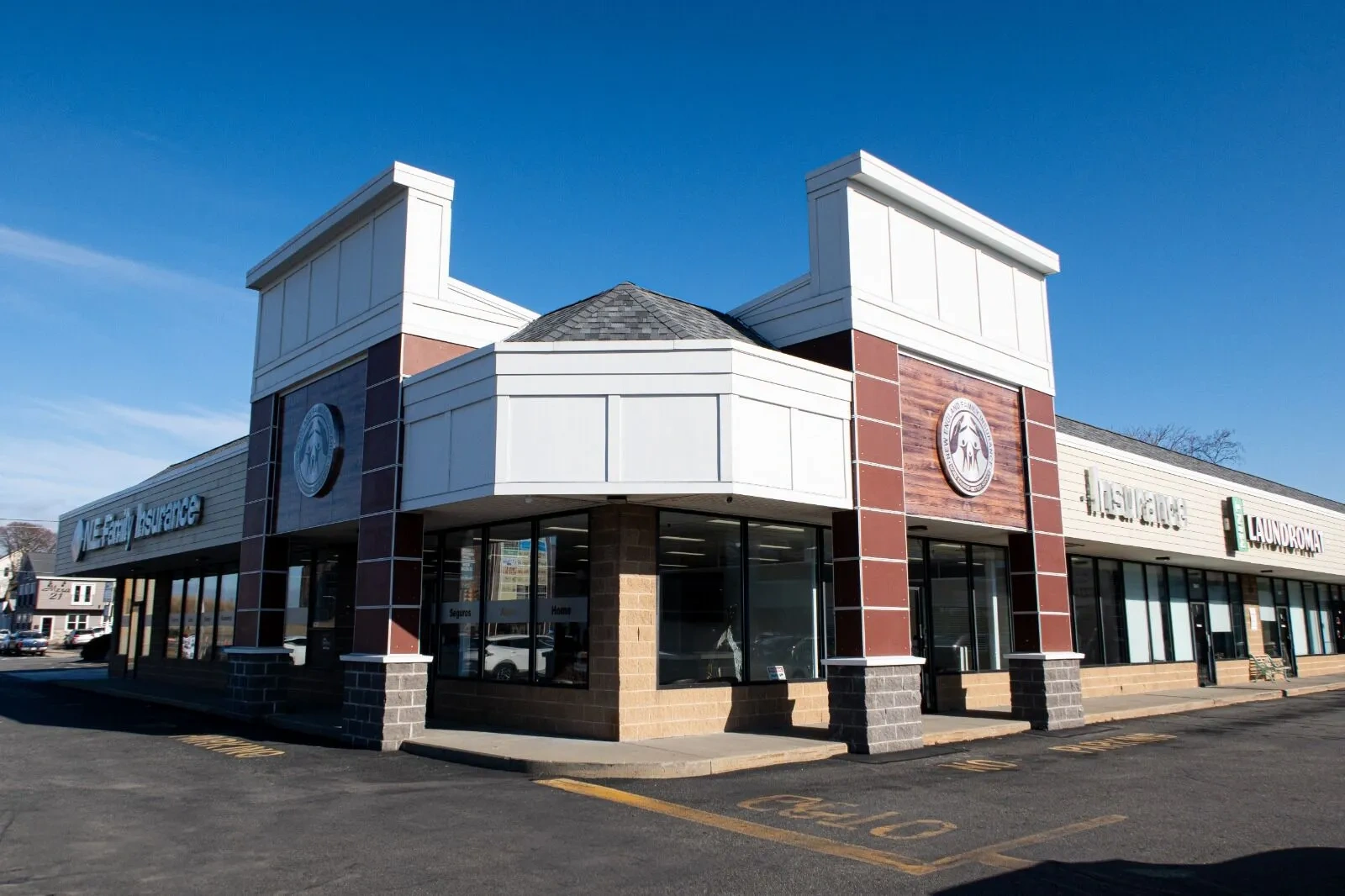
We compare car insurance across multiple carriers and explain your deductibles, limits and exclusions in plain English. Read our guide to car insurance quotes in Massachusetts, get a quote online, call or text us at 508-812-7826, or message us on WhatsApp. You can also visit our Fall River office at 101 President Ave, Suite 1. We serve drivers in English, Portuguese and Spanish across Fall River and southeastern Massachusetts.
Sources: Massachusetts Division of Insurance: Basics of Auto Insurance; Winter Weather and Insurance; Preparing for a Winter Road Trip.